Tetrahydrocannabivarin (THCV) is a cannabinoid compound discovered in marijuana and hemp plants. It's chemically similar to tetrahydrocannabinol (THC) however with some key differences. Here's everything you require to understand about THCV including the risks, benefits, differences, and resemblances with other types beterhbo.ning.com/profiles/blogs/thcv-is-often-called-diet-weed-due-to-claims-it-can-suppress-4 of THC and more. What Is THCV? THCV Additional info is a less common cannabinoid discovered in some strains of marijuana, especially African sativa.
 THCV vs THC: What Are the Differences? Articles Analytical Cannabis
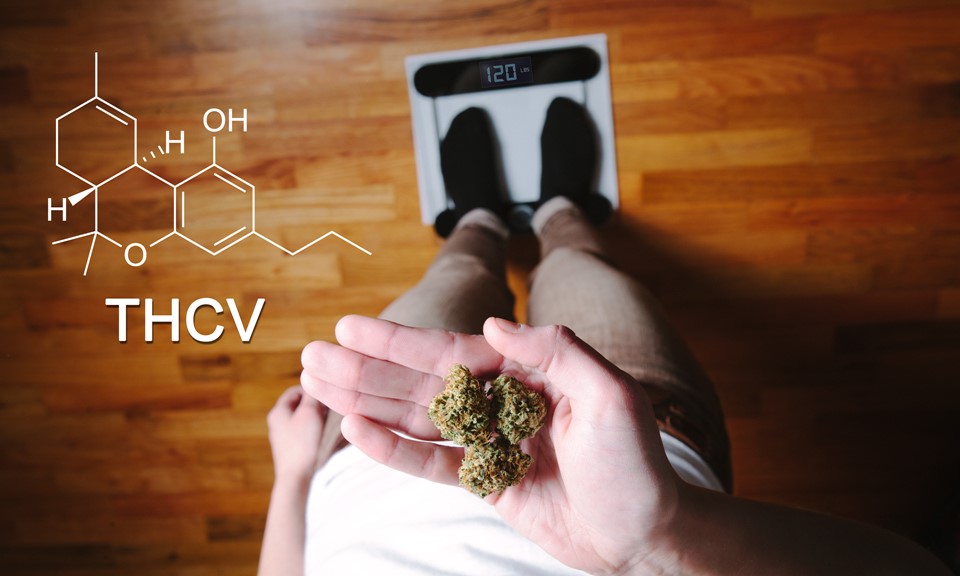 THCV vs THC: What Are the Differences? Articles Analytical Cannabis
 THCV - The Cannabinoid of the Month at Champlain Valley Dispensary
THCV has a 3-carbon side chain instead of THC's 5-carbon side chain. This distinction is subtle, however it has a visible effect on the impact profile. THCV is rather psychoactive but only about and about. What Does THCV Feel Like? THCV has a strong energy-boosting element to it, which makes it especially popular amongst students and professional athletes.
In the United States, THCV regulation is nuanced. THCV is not an Arrange I Drug, however marijuana extracts are making it rather uncertain what the federal position is on THCV. The 2018 Farm Costs specifies that hemp plants and all derivatives of the plants are legal on a federal level, so lots of companies comply with this law and still offer THCV to customers by only extracting the compound from hemp plants.
If THCV is considered a THC analog, it might be managed in the future by the very same rules as THC under the Federal Analog Act. This act mentions that any substance that shares a comparable molecular profile as a recognized prohibited substance it's consisted of in the exact same You can find out more drug Set up classification.
What Are the Results of THCV? Advocates of THCV report that it produces an extreme burst of energy and makes them feel euphoric without the mental cloudiness triggered by THC. The effects are extremely mild compared to THC. Hop over to this website The impacts are almost exclusively cognitive yet in some way have really little influence on headspace.
2. THCV & Appetite Some THCV users declare that it curbs their appetite. This is a common impact of other focus-enhancing compounds too. It's as though THCV eliminates the diversion of other physical processes (like appetite) in order to preserve resources and attention to cognitive jobs rather. How Does THCV Work? Cannabinoids produce biological impacts in the human body by connecting with endocannabinoid receptors.
CB1 receptors lie in the anxious system and engage with neurotransmitters in the brain to produce mind-altering effects. Interaction with CB1 sites is what offers some cannabinoids like THC their psychoactivity. THCV is a bit tricky to comprehend due to the fact that it's primarily a CB1 antagonist, suggesting it has the opposite impact as THC.
While scientists are still seeking to comprehend this procedure, it appears THCV has the ability to obstruct the impacts of CB1 in low doses and promote them in high Have a peek here doses. CB2 receptors are found mostly in the body immune system. THCV is a partial agonist of CB2, but the results of this partial activity aren't popular, and it relatively has no noticeable effect on THCV users' experience.
As discussed in the previous section, THCV is a CB1 villain in low dosages which is the precise opposite result of delta 8 and delta 9 THC. This could imply that THCV neutralizes some of the psychoactive results of THC. This effect might discuss why individuals who use THCV feel so clear-headed especially compared to the infamous "fogginess" caused by delta 9 THC.